
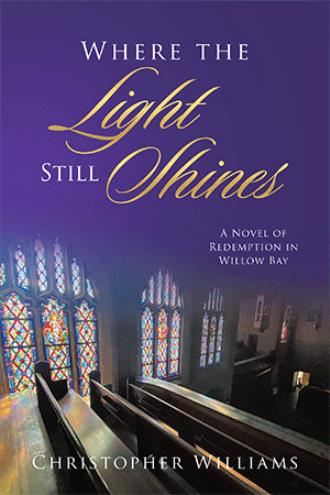
Where the Light Still Shines
A Novel of Redemption in Willow Bay
by
Book Cover & Preview Text
Chapter 1: A Town Weighted by Memories Willow Bay was one of those places you could easily mistake for a painting—pastel skies at dawn, gulls wheeling in slow arcs above gentle waves, and a main street so quaint it bordered on nostalgic. Most days, the wind carried the brine of the ocean up through cobbled alleyways, weaving between the antique shops and modest cafés that dotted the core of the town. It was a Sunday morning in early June, and already the light felt warmer, as if summer was announcing its arrival with a friendly, sunlit nudge. Yet, within this seemingly tranquil town, there were undercurrents of sorrow, regret, and secrets carried behind polite smiles. The people of Willow Bay often believed they knew each other’s stories—how Mark Fischer, the butcher, was saving up for his daughter’s college or how Ellie Thompson, the librarian, had once performed on Broadway for a year. Ask anyone in town, and they could recount dozens of colorful anecdotes about the neighbors, but there was always something left unsaid, tidbits of pain or longing that never made it into conversation. A place so small nurtured just as many hidden heartaches as it did public celebrations. This was the town that had birthed Daniel Pierce’s story and simultaneously crushed it—Willow Bay, with its white-steepled church and rows of wood-framed houses that seemed, in some unspoken way, to be watchers of the residents’ lives. As Daniel walked along the quiet sidewalk of Main Street, head down, shoulders stooped, it seemed each building bore silent witness to his history. Five years had passed, yet it felt like it had happened yesterday: that rainy night, the screech of tires, the final glimpse of his mother’s eyes as the car spiraled out of control. Sometimes, Willow Bay felt like an accomplice to his guilt, every corner a reminder of what he’d lost. The air that morning was full of promise—sunbeams dancing on window displays and bouncing off the windshield of parked cars. Seagulls, already complaining for scraps, meandered near the docks at the harbor. Residents who had risen early were either finishing breakfast at the cozy café or wandering the aisle of the family-owned grocery store. Even so, for Daniel, this picture-postcard tranquility clashed with his internal unrest. One of the town’s main points of pride was The Harbor, a short stroll beyond Main Street, where fishermen launched their boats at dawn. The pier jutted out into the bay in a wide L-shape, dotted with wooden posts roped together for safety. Once upon a time, Daniel had loved going there—especially as a boy, when he would run to greet the fishermen returning with the day’s catch, fascinated by the flapping silver bodies of haddock or mackerel. The pungent smell of salt and fish guts seemed like a grand adventure back then, a glimpse into a world that teemed with life beneath the water. Now, however, the harbor was mostly a place he avoided. It was too alive, too bustling, too full of the everyday joys and struggles of others. He preferred the anonymity of the smaller side streets where fewer eyes might recognize him. If the harbor was a testament to Willow Bay’s livelihood, then Main Street was its social hub. Tourists who occasionally found themselves here by accident—perhaps when they missed a turn on the coastal highway—were often charmed to discover a single-screen theater reminiscent of another era. A bright red marquee displayed the film of the week in capital letters, usually something family-friendly or classic. Next to it stood Shelby’s Grocery, run by old Mr. Shelby and his daughter Patrice, who always handed out colorful flyers advertising seasonal produce and locally sourced jams. Across the street was The Lighthouse Café, a favorite among early risers and gossip-loving retirees. Rumor had it, one could overhear entire life stories in that café—engagement announcements, business troubles, heartbreaks—retold in hushed but enthusiastic voices over mugs of strong coffee. Daniel recalled being in that café just last week, merely stopping for a caffeine jolt to keep him awake. The hush that fell when he walked in was audible enough to make his skin prickle. Granted, it might have been his imagination. Perhaps they’d merely been in a lull of conversation or listening to the radio as the local station recapped the weather forecast. But Daniel couldn’t shake the feeling he had crossed an invisible boundary, that in their eyes, he was still the man who had lost his mother. Or worse, the man responsible for it. He had kept his head low, ordered coffee to go, and scurried out as quickly as he could. The beating heart of Willow Bay, though, was undoubtedly its Community Church. Perched at the far end of Main Street, it rose above the smaller shops with a white spire that glowed in the morning sun. Its stained-glass windows glimmered like patchwork rainbows when the light hit them just right. Each piece of colored glass depicted a biblical scene, though time had weathered a few panels to a duller hue. In many ways, the church was a silent observer of the town’s joys and tragedies—weddings, funerals, christenings, holiday services. It had comforted countless grieving widows, welcomed newly baptized babies, and provided spiritual solace when storms battered the coastline. Once, Daniel had been part of that tradition, too—attending youth group, singing in the Christmas choir, helping organize charity drives. Sometimes, he could almost taste the memory of acceptance, the sense of belonging among a group that encouraged love and faith. But five years could feel like five centuries when the well of your heart was filled with guilt and sorrow. Standing in front of that church now, he felt like a stranger looking in on a world that no longer belonged to him.
Formats







Book Details
About the Book
Where the Light Still Shines is an inspirational Christian novel about a guilt-haunted son and a flood-torn town who discover that grace writes the final word. Five years after the accident that took his mother’s life and shattered his relationship with his father, Daniel Pierce is drawn into Willow Bay’s recovery when catastrophic flooding strikes. Amid volunteer efforts led by new pastor Jacob Reeves and a resilient community, a life-or-death rescue ignites a chain of choices—sacrifice for a friend, a courageous return to music, and a halting reconnection with his father. As neighbors rebuild homes and hearts, Daniel learns that forgiveness is not a verdict he earns but a gift he can receive—and give. For readers of Karen Kingsbury and Charles Martin, this small-town story blends emotional depth, quiet romance, and the transforming power of worship. It’s a tender reminder that the light that finds us in our darkest hours is the same light we are called to carry to others.
About the Author
Christopher Williams writes redemptive small-town fiction that explores faith at the fault lines of family, community, and loss. Drawing on years of service alongside church leaders and volunteers in teaching and outreach ministries, he brings an insider’s understanding of how shared stories, spiritual guidance, and acts of service can knit people together after seasons of hardship. His essays have appeared in web publications, and he has spoken to congregations, study groups, and community audiences about forgiveness, grief, and the ways history shapes our present. When not drafting novels, Christopher develops Bible-study resources, facilitates small-group discussions, and researches local and cultural history to enrich his storytelling. These experiences deepen the intergenerational and community-building threads woven through “Where the Light Still Shines”. He lives with wife Sabrina of 24 years in Upper Marlboro, Maryland.