
Growing In Grace
Deepening Your Discipleship Walk
by
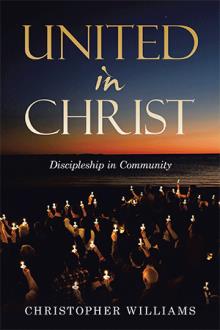
Book Cover & Preview Text

As we draw the curtains on these chapters, it’s worth pausing to take in the full landscape of all we’ve explored. We’ve journeyed through spiritual disciplines like prayer, holiness, fasting, and stewardship; we’ve examined the call to develop the fruit of the Spirit, to love like Christ, and to persevere through trials, unity challenges, and spiritual warfare. We’ve also discovered the power of worship to unite hearts across cultural lines and the importance of living missionally wherever we are. Now, at this concluding moment—an afterword—we look back on all these themes, weaving them into a single tapestry of discipleship. Looking Back at the Road Traveled A Progressive Path of Spiritual Discipline From the earliest chapters, we encountered the emphasis on learning to walk in the Spirit. The Christian life is not about human effort alone, but about yielding to the Holy Spirit’s guidance. This call to daily dependence sets the tone for every other discipline—whether it’s prayer, fasting, or holiness. The central message was clear: the Holy Spirit is our source of power, and without Him, we can do nothing (John 15:5, NIV). Throughout the book, you saw how vital it is to rely on the Spirit for transformation, resisting the flesh, and producing the fruit of the Spirit (Galatians 5:22–23, NIV). Closely related was the pursuit of holiness, reminding us that discipleship is not merely external conformity to rules, but an ongoing process of becoming more like Christ in thought, word, and deed. Holiness in daily living means setting ourselves apart for God’s use (1 Peter 1:15–16, NIV). We recognized that holiness isn’t cold legalism—it’s a reflection of God’s character, fostering deeper intimacy with Him and compassion for others. We also tackled fasting and stewardship, two often-overlooked disciplines that profoundly shape our walk with God. Fasting helps us refocus, setting aside physical comforts to attune our spirits to God’s voice (Matthew 6:16–18, NIV). Stewardship, meanwhile, acknowledges everything we have—time, money, talents—belongs to the Lord (Luke 19:11–27, NIV). Learning to handle resources withfaithfulness not only blesses others but also fosters humility and dependence on God as our ultimate provider. Character Development and Perseverance A significant thread running through these chapters is how we grow in Christlike character. We studied the fruit of the Spirit, recognized the importance of Christlike love, and learned about renewing the mind to align with God’s truth. The transformation of character, from the inside out, ensures that our disciplines aren’t empty rituals but genuine expressions of a changed heart. This included discussions on unity in the Body of Christ, conflict resolution within Christian community, and the crucial aspects of spiritual warfare. We’ve also seen how perseverance shapes spiritual maturity. We addressed how to navigate trials—recognizing that suffering can produce perseverance, which refines our character and draws us closer to God (James 1:2–4, NIV; Romans 5:3–5, NIV). The chapters on unity and conflict resolution reminded us that perseverance is not merely a personal struggle but a communal one. We press on together, bearing one another’s burdens (Galatians 6:2, NIV), learning to approach disagreements with grace, and emerging stronger as a family of faith. Worship, Mission, and Pressing On We explored the joy of worship, discovering that worship is not a Sunday-only event but a lifestyle that exalts God in every sphere. We learned that worship can take on myriad cultural expressions—some communities drum and dance, others emphasize quiet liturgy. Regardless of style, genuine worship in spirit and truth (John 4:23–24, ESV) draws us into God’s presence and propels us into the world as witnesses. Embracing that identity as salt and light led us to living missionally, recognizing that each believer, no matter their occupation or location, is called to be a beacon of hope. Missions isn’t confined to a few who go overseas; it’s the call for every disciple to reflect Jesus at home, in workplaces, and among friends. By practicing gracious speech, wise conduct, and an openness to spiritual conversations (Colossians 4:5–6, ESV), we can show forth the love of Christ in diverse cultural settings.Finally, we arrived at the theme of pressing on toward maturity. This culminating chapter reiterated that discipleship is a lifelong journey. We never truly “arrive” at full spiritual perfection in this life; instead, we keep running the race (Philippians 3:12–14, NIV), spurred by the hope of seeing Christ face to face. Embracing that we’re all pilgrims (Hebrews 12:1–2, NIV), we resolve to keep our eyes on Jesus, the author and perfecter of our faith. Themes that Tie Everything Together A global and interdenominational vision permeates these chapters—recognizing the worldwide tapestry of believers. Humility, teachability, and grace stand out as repeated refrains. And above all, Jesus remains central: we pray to Him, fast to focus on Him, steward resources for His glory, and unite in worship around His worthiness. In short, the invitation throughout has been to move beyond a static or shallow faith into a dynamic, fruit-bearing life that impacts both local communities and the broader world. May these truths spur continued spiritual growth, propel you into deeper fellowship with God, and lead you to serve others with renewed compassion. Soli Deo Gloria— to God alone be the glory.
Formats









Book Details
About the Book
Christopher Williams is a celebrated author of multiple Christian books, drawing on decades of ministry and over twenty years of teaching at an Adult Bible Institute. His extensive background fosters a distinctive blend of theological insight and practical wisdom, making his works both accessible and profoundly encouraging for a broad audience. In this latest release, he unpacks a holistic journey of discipleship focused on prayer, holiness, fasting, stewardship, character transformation (including the fruit of the Spirit and Christlike love), and perseverance through trials, unity challenges, and spiritual warfare. Each chapter weaves together scriptural foundations, real-life testimonies from around the globe, and practical guidance for nurturing faith in everyday situations. Readers will learn how to anchor themselves in God’s presence, steadily grow in spiritual disciplines, and serve others with genuine compassion. Whether exploring how to handle conflict biblically, adopt a global vision for mission, or deepen worship beyond Sunday services, this book provides fresh motivation to press onward in maturing as a believer. Rooted in a wealth of ministry experience and decades-long engagement with diverse congregations, Christopher Williams’s voice resonates with both newcomers to the faith and seasoned saints seeking renewed fervor. By merging relatable storytelling with timetested biblical truths, he offers a roadmap for anyone desiring to walk more closely with Christ, confident that greater heights of spiritual growth and fruitfulness still lie ahead.
About the Author
Christopher Williams’s unique voice as an author captivates readers because it is shaped by decades of ministry experience, honed through his role as an Adult Bible Institute teacher for over twenty years, and further enriched by his accomplishments as the celebrated author of several Christian books. He brings together deep theological insight, gained from countless hours of teaching and ministerial engagement, with a relatable, down-toearth writing style that resonates with believers across different backgrounds. This balance of academic rigor and heartfelt storytelling allows him to communicate scriptural truths in a manner that is both doctrinally sound and practically applicable. As a result, readers are drawn to Christopher Williams’s works for their clarity, wisdom, and the heartfelt authenticity that only a seasoned bible study teacher and facilitator can provide.