
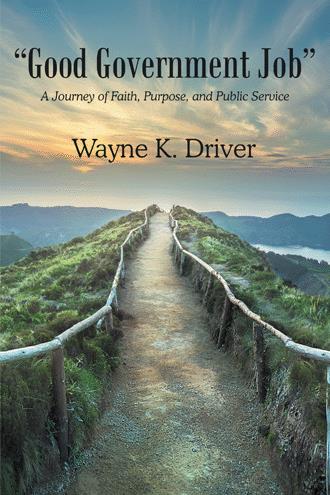
“Good Government Job”
A Journey of Faith, Purpose, and Public Service
by
Book Cover & Preview Text
Job hunting was not my superpower. In fact, I was bad at interviewing. I was an introvert and did not like the interview process. So, when a job offer came my way, I was just excited that I had made it past the interview and had been selected for the position. It was like playing basketball and making the shot. I remember playing basketball with a guy who would yell "money" after the ball left his hands and went into the basket. It felt like "money" whenever I got through the interview process. I would come home excited and tell my parents all about the job that I just landed. They were happy for me, but I could see something on my dad's face. It was like a controlled smile as he thought about his next words for me, pondering before he spoke. He had a question that would finally move past the thought and smile to my ears. It was his favorite question; one he asked every time I mentioned a new job or opportunity—a question with meaning and weight for other young family members and me. My mother seemed to know already the question was on its way, and she would listen attentively to the answer. It wasn't a hard question, but it was an uncomfortable one for me. “Does it have benefits?” I used to roll my eyes and get a little mad. Does he know how hard it was for me to get through the interview? Are benefits more important than pay? I would think to myself, "Mom, help me out!" But I wouldn't find an ally there. She respected my father's judgment and wisdom. As an employee of the Philadelphia School District, she enjoyed the security and benefits that came with public service. She also understood their importance because she had grown up watching her single mother support the family by operating a beauty shop from the back of her home, work that required tremendous dedication but offered few of the protections or benefits available through traditional employment. My parents were a great team. Dad would set up the play, and Mom would bring it home. When it came to parenting, he was the wise owl, always offering thoughtful advice, while she was the steady voice of encouragement, reminding us that we could accomplish more than we imagined. Together, they gave us both wisdom and confidence. As I mentioned in my early twenties, I wanted money, titles, and something that sounded impressive when I said it out loud. Let's face it, the benefits weren't impressive to my friends or me. What does it even mean to have benefits? Why would you think they are more important than the position, pay, or title? Didn't you ever watch a TV show or movie where the person was considered successful and had a title? Now, looking back, it reminds me of a Cheers episode where Woody wanted a raise and ended up with a title. Rebecca, his manager, played him perfectly. Benefits? Retirement? Health coverage? That was older adults' talk. Families needed benefits, not me. Don't get me wrong, I knew that some of my parents' benefits helped me as a child. Doctor visits, braces, and education. I didn't need them at my age, so I thought. Looking back on my parents' jobs, I never knew how much they earned, but I did know about their benefits. My father knew what I didn’t: he saw my future long before I did. My father moved from delivering mail to human resources. He worked behind the scenes, helping people begin their careers. Through his role in Personnel, he was involved in the hiring process that opened doors for thousands of applicants seeking stable employment with the Postal Service. Many of those jobs became lifelong careers that supported families, purchased homes, funded education, and provided for retirement. As a child, I didn't fully appreciate the significance of his work. Today, I realize that every application he processed and every candidate he helped represented a person hoping for an opportunity. In many ways, my father spent his career helping others build the same kind of stability he wanted for his own family. He was not only a civil servant but also an advocate for his family, understanding the value of a Good Job. What I didn't realize at the time was that my father's question was preparing me for my future. Years later, when I entered government service myself, I would come to understand exactly what he meant. Benefits were never just about insurance or retirement. They represented stability, opportunity, and the ability to serve without constantly worrying about survival. The lesson wasn't really about benefits. It was about building a life that could sustain a family, support a calling, and endure changing seasons. My father understood that long before I did
Formats

Book Details
About the Book
What is a good job? For Wayne K. Driver, the answer began with a question his father repeatedly asked whenever he considered a new opportunity: “Does the job have benefits?” Good Government Job follows his career journey as he discovers that the greatest benefits of work cannot always be measured in salary, promotions, or retirement plans. Through personal stories, career lessons, and biblical wisdom, he explores how God used unexpected opportunities, difficult seasons, mentors, mistakes, and moments of success to shape his character and reveal a greater calling. Part memoir and part invitation to reflect, Good Government Job encourages readers at every stage of their working lives to look beyond the job title and consider a deeper question: What might God be doing through your work?
About the Author
Wayne K. Driver is a researcher and writer whose work explores the intersection of service, faith, leadership, and legacy. Over a career spanning four decades, he served in leadership, technical, and operational roles supporting federal agencies, privatesector, and nonprofit entities. His experience across government, private industry, and nonprofit service gives him a unique perspective on career development, leadership, and mentoring. Drawing on both his professional experience and his Christian faith, Wayne writes about work not simply as a means of earning a living but as an opportunity to serve God and others with a greater purpose. Wayne is also an author and genealogical researcher whose work focuses on family history, genealogy, and the ways history and legacy shape identity. His book, Locksley: The Original Black Families of Folsom, Pennsylvania, received the 2026 Bates and Preservation Awards from Delaware County Heritage, recognizing his work in documenting and preserving local history. Through The Driver Research Group, he continues to research, write, and encourage others to preserve their stories and consider the legacy they will leave behind.