
Discovering Christianity
Living with and for God Becoming a Christian Together with Jesus Christ
by
Book Cover & Preview Text
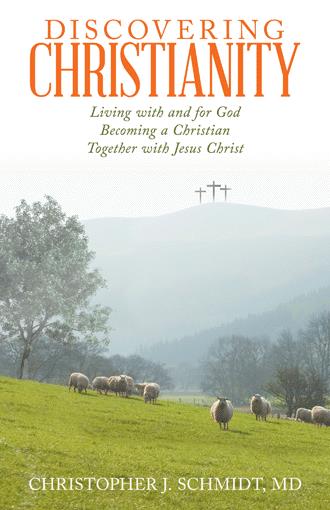
Living with and for God • What is God like? • What does God reveal to us? • What, ultimately, is life about? • Why is Jesus Christ so important? • Where are the roots of Christianity found? These are weighty theological questions—ones that stir deep thought and reflection about why and how our lives matter. God supplies trustworthy and uplifting answers in his sacred writings, the Word of God preserved for us in the Bible. The first family mentioned in the Bible discovered life’s foundational truths through a personal encounter with our Creator God. As God revealed himself to them, they came to understand his nature and ways and discovered profound truths about themselves. This is good news for us because the Bible teaches that God’s character, will, and purposes are unchanging. The truths about God and life that Adam and Eve—and later their children, Cain and Abel—learned are the same truths that apply to us today. This first Bible study will explore foundational lessons while revealing that the roots of Christianity lie at the very beginning, when our God created humanity in his image and likeness and gave us a meaningful existence in relationship with him. Christianity describes the life of those who entrust themselves to God the Son, Jesus Christ—Jesus being his name and Christ his title—who entered human history to restore the broken relationship with our Heavenly Father caused by humanity’s fall into sin. Christianity explains how humanity’s lost dignity, innocence, purpose, and future are reestablished through a saving relationship with Jesus Christ. What happened at humanity’s beginning—its lessons and losses—provides the framework for understanding the Christian worldview and the magnificence of Christianity. The heart of Christianity is Christ Jesus, and this first Bible study reveals how vital he is for everyone’s future, not just for Christians. No one can fully understand Christianity without understanding Jesus Christ and what he knows about our needs and the purpose of our lives. He was at the beginning, knows why we were created, and understands our fall from his grace and glory. Humankind’s original pillars of purposeful living with God at creation were shattered, but Jesus Christ came to reinstate them. To get the most out of this study, it will help to read the account of the first family in the book of Genesis, specifically the first three chapters, the first sixteen verses of chapter four, and the first two verses of chapter five. Eighteen Life Lessons Revealed by God to the First Family and Us 1. Life is About Our Triune God In the beginning God created the heavens and the earth…The Spirit of God was hovering over the surface of the waters…Then God said, “Let us make man in our image, according to our likeness”…God saw all that he had made, and it was very good indeed. (Genesis 1:1, 2, 26, 31 CSB) From the very first sentence and in other passages, the Bible explains that the chief subject of life is the Eternal, Supreme Being, our God. He is busy. He is creative. He is purposeful. He is up to something “very good.” Out of nothing, without any preexisting or eternal substance, God created the physical universe and a special planet he called Earth. Yet he never abandoned his creation; rather, he remains actively involved in every aspect of it. His chief concern is life—especially human life. As the Bible affirms, it is his universe. “The earth and everything in it, the world and its inhabitants, belong to the LORD” (Psalm 24:1 CSB). It is essential to note that the Bible not only describes what our God does but who he is. The Old Testament was chiefly written in Hebrew, and the Hebrew word “God” in the very first verse of the Bible is the plural form of Elohim used with a singular verb. This Hebrew word device is called the plural of majesty and specifically emphasizes God’s infinite preeminence, creative and authoritative power, and majestic prestige[A1.1]. Another important truth about God emerges from his statement about creating humankind in “our image.” This reference to “our” may initially seem puzzling until we begin to understand God’s supreme nature. While the Bible repeatedly affirms that there is only one God, it also reveals a divine fullness and majesty about him that surpasses human understanding. “Who is like the LORD our God—the one enthroned on high, who stoops down to look on the heavens and the earth?” (Psalm 113:5, 6 CSB). Our Supreme Being, infinitely above us in every way, exists as three coequal and coeternal Persons—each fully God, sharing the same divine essence, yet distinct in personhood and role. They exist as Father, Son, and Holy Spirit, what we now describe as the Trinity. The first mention of one of these Persons of the Trinity is found in the second verse of the Bible: “the Spirit of God was hovering over the surface of the waters.” Here is a Bible reference on the Trinity: “The grace of the Lord Jesus Christ [the Son], and the love of God [the Father], and the fellowship of the Holy Spirit be with you all” (2 Corinthians 13:13 CSB). But, despite existing as three Persons, there is only one God. “The LORD our God, the LORD is one” (Deuteronomy 6:4 CSB). No one can fully comprehend or explain the nature of our Triune God, yet several general principles may help us understand how he reveals himself in Scripture. God the Father is the initiator of all things and the ultimate source of the universe; God the Son is the agent and accomplisher of his Father’s will; and God the Holy Spirit applies the work of the Father and the Son to us and throughout creation. Put another way, God the Father wills and works through the Son, while the Holy Spirit carries out and applies the Father’s and Son’s purposes in the world.
Formats

Book Details
About the Book
Christianity proclaims a saving, personal knowledge of God the Son, Jesus Christ, who restores our broken relationship with our heavenly father. Discovering Christianity draws on three integrated Bible studies to illuminate the origins of the Christian faith, its purposes, and the new life it produces in those who believe. Living with and for God reveals that the roots of Christianity reach back to the beginning, when our Triune God formed us in his image and likeness and gave us the principles for a meaningful life with him. But humanity’s original pillars of a purposeful life with God were shattered by sin. What occurred at the beginning—its lessons and its losses— forms the framework for grasping the magnificence of Jesus Christ and the Christian faith. No one can fully grasp Christianity apart from knowing Jesus Christ. He was there in the beginning, understands the reason for our creation, and answers our fall from his glory. At the center of Christianity stands Christ Jesus, its truest definition. He declared, “I am the way and the truth and the life.” When people become Christians, they learn to live out their transformed lives in devoted fellowship with their Lord and Savior.
About the Author
Christopher J. Schmidt, M.D. is a retired physician who practiced medicine in Vermont. He and his wife became believers in Jesus Christ during his residency training in Pennsylvania. He has ministered to prisoners and has served as a biblical counselor, teaching elder, and administrative deacon.