
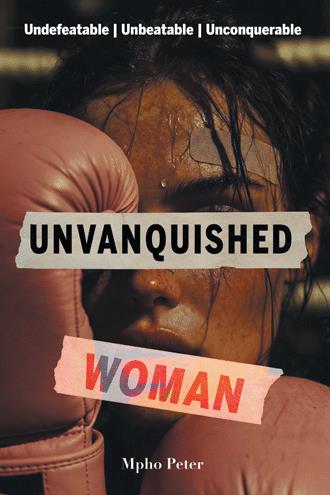
Unvanquished Woman
Undefeatable, Unbeatable, Unconquerable
by
Book Cover & Preview Text
From the very first moments of our lives, we are enveloped in a web of messages, some subtle, others bold, that shape our understanding of who we are, especially as women. These messages, often unconsciously transmitted through media, family, peers, and broader cultural narratives, carry with them a persistent undercurrent of limitation. They whisper, often shout, that we are not enough, that our worth must be earned, measured, or diminished to fit into a mould that society deems acceptable. The lies we’ve been told are sometimes so deeply embedded that we come to carry them as truths, allowing them to dictate not only how we see ourselves, but how we interact with the world around us. It is these lies, these false narratives of insufficiency, which form the invisible chains that bind many women to a life far beneath the glorious potential that God has ordained for them.
One of the most pervasive lies is the idea that a woman’s value is tethered primarily to her appearance. From a very young age, girls are inundated with images of beauty that are narrowly defined; she must be thin, have flawless skin, a certain body shape, and an endless pursuit of youthfulness and perfection. The media relentlessly broadcasts these ideals, reinforcing the notion that to be seen, loved, or respected, a woman must first conform to an external standard. This lie chips away at self-esteem by teaching women to judge themselves harshly through a physical lens, obscuring their deeper, intrinsic worth. It is a deception that reduces the complexity of a woman’s identity to something superficial, leaving many lost in a trap of relentless comparison and insecurity.
Beyond appearance, there is an equally dangerous lie that a woman’s success or worth is measured in competition or comparison to others, either with men or with other women. Society often pits women against one another, cultivating an environment where rivalry thrives over solidarity. The assertion that a woman’s place is limited, that there is only so much room at the table, breeds jealousy, envy and isolation rather than connection. This zero-sum thinking not only fractures community but also convinces many women that their achievements are less deserving if someone else’s success overshadows them. It subtly suggests that to be admired or powerful, a woman must rise at the expense of another's downfall, which distorts the true nature of empowerment as collective and abundant.
The lie of inadequacy extends into the realms of intellect and capability. Throughout history, there have been whispers and sometimes loud proclamations that women lack certain kinds of intelligence or strength, that they are too emotional, too fragile, or too distracted by sentiment to lead effectively or make serious decisions. This narrative undermines women’s confidence to pursue leadership roles, higher education, or vocations traditionally dominated by men. Whether explicit or unspoken, it places an invisible ceiling on aspirations, making women question their abilities or resign themselves to lesser expectations. As a result, many brilliant ideas, potent leadership talents, and transformative voices have been stifled or hidden away, not for lack of capacity, but because the lie of limitation has convinced women that their dreams are too large or too ambitious.
In addition to external pressures, the lies women hold about themselves can be deeply internalized because of early experiences of neglect, criticism, or trauma. When young girls hear repeated criticisms, be it of their behaviour, their choices, or their emotions, they internalize a narrative that they are somehow flawed or unworthy of love and acceptance. This internal dialogue, often silent yet incredibly loud in its impact, becomes a barrier standing between a woman’s true identity and her self-perception. It convinces her that she must be someone else, do more, or endure silently to be valuable. The cost of carrying this burden is immense, leading to anxiety, depression, and a persistent feeling of inner emptiness that no achievement or relationship can fully erase.
Religious and cultural contexts have sometimes, unintentionally, contributed to these lies as well. Certain teachings or traditions may demand submission, passivity, or a limited role for women, which when misapplied can suppress a woman’s sense of purpose and divine calling. When interpreted through the lens of shame or obligation, these messages become chains of guilt, making women feel less free to explore their gifts or step into leadership within their communities. The lie here becomes spiritual bondage, convincing women that their primary value lies only in service or sacrifice, rather than in the fullness of their God-given personalities and destinies. But the truth is that God’s Word reveals women as ‘fearfully and wonderfully made’, endowed with strength, wisdom, and a sacred purpose that defies any limitation imposed by culture or misguided theology.
Perhaps one of the most heart-breaking lies is the one that convinces women that they are alone in their struggles, that their pain, their doubts, and their battles are unique and isolated, making them weak or defective for needing help or support. This lie plants the seed of isolation and shame, driving women inward and keeping them silent. It contradicts the truth that sisterhood, shared vulnerability, and mutual encouragement are powerful weapons in breaking cycles of defeat and despair. When women accept the lie of loneliness, they lose sight of the vibrant network of support available through community and faith—a network that not only sustains but also amplifies their resilience and joy.
The impact of absorbing these lies over time is profound and multi-layered. Women may find themselves wrestling with a fragmented identity, wanting to believe that they are strong and capable, but haunted by the memories of moments when they were told they were not. The effect extends beyond individual self-esteem to influence relationships, career decisions, and even physical health. When a woman is weighed down by the burden of not being enough, it colours the way she parents, interacts with friends, or engages in her faith. Worn down by these lies, she may shy away from risks or opportunities, retreat into silence, or express anger and frustration in ways that harm her spirit and those around her. It is a slow suffocation of the soul, a gradual dimming of the light that God has placed within her.
Formats

Book Details
About the Book
Unvanquished Woman is a faith-anchored, soul-healing journey for women who refuse to be defined by pain, loss, shame, or seasons of silence. With honesty, compassion, and spiritual depth, this book speaks to the woman who has endured battles unseen and wonders if restoration is still possible. Through Scripture, reflection, and lived truth, readers are invited to confront false narratives, reclaim their God-given identity, and discover the courage to rise again, not untouched but undefeated. This is not a call to perfection or denial of pain, but an invitation into healing, strength, and renewed purpose. If you have ever felt overlooked, worn down, or uncertain of your worth, this book reminds you of a powerful truth: you are not broken beyond repair, and you are not alone. You are still standing. You are still becoming. You are unvanquished.
About the Author
Mpho Peter is a devoted pastor, teacher, and founder of Unvanquished Woman, a transformative ministry dedicated to restoring identity, courage, and faith in women navigating life’s most challenging seasons. She co-founded Open Heaven Bible Church with her husband, Pastor Benjamin Peter, where they serve as senior pastors alongside their children, Matthew, Joshua, and Keagan.
Driven by a deep passion for healing, discipleship, and spiritual formation, Mpho has devoted her life to seeing women restored and empowered through Christ. Unvanquished Woman is a powerful expression of her personal journey of faith and resilience, written in response to God’s call and shaped by the strength of community and family. Her message is clear: no matter the battle, a woman anchored in God cannot be defeated.