
The Essence of Eden: A Psychospiritual Exploration of Grace and Virtue
Vol. 1: Pride and Humility
by
Book Cover & Preview Text
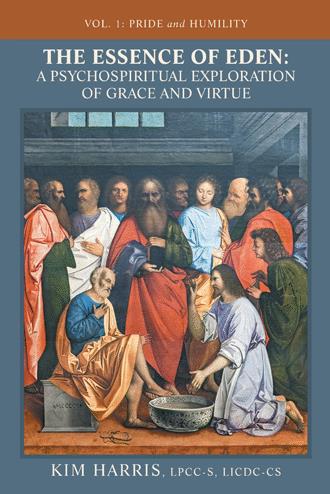
The Essence of Eden: A Psychospiritual Exploration of Grace and Virtue, Vol. I: Pride and Humility Chapter 1: The Essence of Eden and the Grace of God Imagine you are standing in a vast, ancient forest, and you feel a gentle, soothing breeze carrying the essence of Eden. This essence embodies the Grace of God and evokes memories of the Garden of Eden, the biblical paradise where Adam and Eve lived before the Fall. In this idyllic state, humanity existed in innocence and purity, in perfect harmony with God. The essence of Eden stirs within you a profound desire to return to this original state of perfection and communion with God, free from sin and suffering, re-igniting hope for redemption and of being restored to a state of grace that was lost. This desire drives individuals to seek spiritual growth, moral integrity, and a closer relationship with God, aiming to recapture the essence of Eden in their lives. By recognizing and understanding moments of innocence and purity in life, such as acts of kindness, beauty in nature, genuine human connections, and instances of moral clarity we are reminded of Eden and our original state of grace and goodness. The Essence of Eden: A Psychospiritual Exploration of Grace and Virtue series guides us to make choices that align with the essence of Eden and lead us back to a state of grace. This series invites you to delve into the profound relationship between divine grace and moral excellence, rediscovering the transformative power that elevates and heals our fallen human nature. Through an integrated approach that combines spiritual wisdom and psychological insights, you will explore how grace, as God's unmerited favor, empowers you to cultivate virtues that reflect the character of Christ. By examining the vices that lead us astray and the virtues that bring us closer to God, this series will guide you towards a life of moral excellence and spiritual fulfillment. Join us as we delve into the depths of our spiritual and psychological selves, seeking the divine grace that empowers us to live virtuously and harmoniously in the presence of God. Before delving into the first volume of the series, Pride and Humility, let us review the different kinds of grace and how crucial this understanding is for effectively cultivating virtue and overcoming vices. Recall that in Catholic teaching, grace is God's unmerited favor and love, essential for salvation and spiritual growth. Through grace, Catholics experience God’s continuous presence and assistance, growing in both grace and virtue. Common grace reflects God's general benevolence towards all humanity (CCC 54, 302). Sanctifying grace, also known as habitual grace, is a permanent gift that perfects the soul, enabling it to live with God and act by His love (CCC 1999, 2000). It infuses virtues into the soul, helping us grow in holiness and moral excellence. Actual grace refers to temporary interventions from God that help us act rightly in specific situations, providing the necessary support to resist vices and make virtuous choices, especially during moments of temptation (CCC 2000). Sacramental grace, conferred by the sacraments, provides spiritual nourishment and strengthens the soul, enhancing our ability to live virtuously (CCC 1129). Prevenient grace precedes human action, initiating the process of conversion and preparing individuals to respond to God's call, helping them turn towards God and away from vices (CCC 2001). Sufficient grace assures believers of God's support, providing the necessary help to respond to His call and live according to His will, ensuring we have the resources needed to face challenges and remain faithful to God (CCC 2008). By understanding these different types of grace, Catholics can experience a deeper spiritual life, growing in both grace and virtue through God's continuous presence and assistance. The Garden of Eden is often associated with the concept of sanctifying grace, representing the state of original holiness and justice that Adam and Eve experienced before the Fall. Sanctifying grace is a permanent gift from God that perfects the soul, enabling it to live in communion with Him and act according to His love. In Eden, sanctifying grace reflects the ideal state of humanity in perfect harmony with God, embodying innocence, purity, and divine favor. To experience sanctifying grace today, you can engage in spiritual practices and participate in the sacraments. Baptism is the first sacrament that grants sanctifying grace, removes original sin, and starts one's Christian life. Regular participation in the Eucharist nourishes and sustains sanctifying grace within us, deepening our communion with God. Reconciliation restores sanctifying grace lost through mortal sin, reconciling us with God and renewing our spiritual life. Engaging in regular prayer, including vocal, meditative, and contemplative prayer, invites God's grace into our lives and strengthens our relationship with Him. Additionally, living virtuously by practicing humility, charity, and patience helps us grow in sanctifying grace, reflecting God's love in our actions. The Fall, as described in Genesis, signifies the loss of sanctifying grace due to the original sin committed by Adam and Eve. Their disobedience led to the loss of this grace, resulting in a separation from God and the introduction of sin into the world. The Fall highlights the importance of sanctifying grace in maintaining our relationship with God and underscores the need for redemption and restoration through Christ. Each volume of the Essence of Eden series explores a different set of vices and virtues, beginning with Vol. I: Pride and Humility. A thorough exploration of the delicate balance between pride and humility reveals how the virtue of humility shapes our spiritual journey towards grace. May the essence of Eden inspire you to seek the Grace of God with a humble heart. Humility holds a central place in the order of virtues due to its foundational role in shaping our character and spiritual growth. It is often considered the bedrock upon which other virtues are built, as it allows us to recognize our own limitations and the value of others. Humility fosters a mindset of openness and willingness to learn, helping us acknowledge that we do not have all the answers and encouraging us to seek wisdom and guidance from others, including spiritual teachings. Additionally, humility enhances our relationships by promoting empathy and understanding, making us more likely to listen and respect others' perspectives. In many spiritual traditions, humility is seen as essential for drawing closer to the divine, involving the surrender of our ego and recognizing our dependence on a higher power, which can lead to a deeper sense of peace and spiritual fulfillment. Furthermore, humility serves as a counterbalance to pride, which can lead to arrogance and self-centeredness. By embracing humility, we can avoid the pitfalls of pride and cultivate a more balanced and virtuous character. In essence, humility is crucial because it helps us grow morally and spiritually, fostering a life of virtue and grace. As in the Garden, the whispers of deception and evil continue to lurk and tempt us in subtle and cunning ways into disobeying God and believing we are higher than and know better than God, our Creator. The whispers tell us we are unworthy, incapable, unwanted, unloved and despised by a loving and merciful God who wants to restore us to our ideal state in communion with Him. Some of the whispers say we don’t need God or His grace, and can do what we want, when we want and where we want without regard to consequences to ourselves, others, the world, or our relationship with God. Other whispers tell us God is cruel, unloving or irrelevant.
Formats

Book Details
About the Book
In a world clouded by illusion and self-justification, The Essence of Eden invites readers on a profound journey through the sacred interplay of grace and virtue. With theological depth and psychological insight, this series examines the forces that shape human character, calling the soul toward truth, transformation, and spiritual renewal. Volume I: Pride and Humility unveils the delicate balance between self-worth and surrender, exploring how pride distorts our vision and humility restores it. Through scriptural reflections, historical wisdom, and practical application, this volume charts a path toward authentic humility, the virtue that opens the heart to divine grace. Volume II: Honesty and Deception (coming soon) delves into the hidden corners of self-deception, confronting the rationalizations and falsehoods that obscure our souls. With piercing clarity, it illuminates the power of honesty and reconciliation, offering guidance to those who seek to live in integrity before God and others. Thought-provoking and deeply spiritual, The Essence of Eden is more than a book series—it is an invitation to examine the soul, embrace virtue, and walk in the light of truth.
About the Author
Kim is a mental health and addiction therapist, currently serving as the Executive Clinical Director of Compliance at a community behavioral health center. She holds a BS in Business from Regis University, an M.Ed. in Clinical Counseling from Xavier University, and an MHA in Health Administration from Ohio University. She also earned a Certificate in Catholic Theology from the Augustine Institute Graduate School of Theology and has served as a lector, catechist, and sponsor at the parish level.