
Selling Senses
Unlocking the Power of Sensory Sales and Inner Wisdom
by
Book Cover & Preview Text
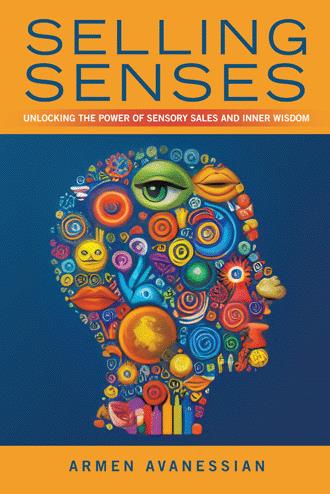
In a world saturated with advertisements and endless product choices, how does one brand stand out from the rest? The answer lies in the art and science of sensory sales. This book delves into the intricate world of sensory marketing, revealing how engaging the five traditional senses—sight, sound, smell, touch, and taste—alongside the emerging sixth sense, can transform consumer behavior and drive sales.
Chapter 1: Visual Mastery
Visual stimuli, including colors, shapes, and designs, play a crucial role in influencing consumer behavior. Colors, for example, can evoke specific emotions and associations. Red is known to create a sense of urgency and excitement, while blue is often associated with trust and calmness. According to research, 90% of snap judgments made about products can be based on color alone (Harvard Business Review, 2021). By carefully selecting visual elements, brands can capture attention and influence purchasing decisions.
Chapter 2: Auditory Engagement
Sound also plays a significant role in shaping the customer experience. Background music can affect the ambiance of a store and influence how long customers stay and how much they spend. Upbeat music can create a lively atmosphere, encouraging impulsive buying, while slower music can encourage customers to take their time and explore more products. Studies have shown that matching music to the store's target audience can boost sales (Wiley Online Library, 2020). Additionally, sound design can be tailored to fit a brand's identity, enhancing the overall experience.
Chapter 3: Olfactory Influence
Scent marketing leverages the power of smell to create a memorable and appealing shopping environment. Scents can evoke emotions and memories, influencing mood and behavior. For example, the scent of vanilla is known to create a sense of warmth and comfort. Abercrombie & Fitch uses a signature scent throughout its stores to create a unique and recognizable atmosphere (HubSpot Blog, 2020). Research indicates that pleasant scents can increase dwell time and encourage purchases. Additionally, scent marketing can be used to create a multi-sensory experience by combining scents with other sensory elements, such as visual displays and music.
Chapter 4: Tactile Connection
Touch is a powerful sense that can enhance the customer experience. Allowing customers to physically interact with products can increase their likelihood of making a purchase. Apple Stores, for example, encourage customers to touch and try out their devices, creating a tactile connection that enhances the overall experience (NETIZEN.me, 2020). Tactile engagement can also lead to a greater sense of ownership and emotional connection to the product. Furthermore, incorporating different textures and materials into product packaging can create a unique and memorable experience for customers.
Chapter 5: Gustatory Appeal
Taste can also be a persuasive tool in influencing buying behavior. Offering samples of food and beverages can entice customers to make a purchase. For instance, grocery stores that provide samples of new products often see increased sales for those items. Dunkin' Donuts used scent marketing in South Korea by releasing the smell of coffee on public buses, which led to a significant increase in store visits and sales (Forbes, 2021). Additionally, creating a cohesive brand experience through taste can help reinforce brand identity and loyalty.
Chapter 6: The Sixth Sense - Spiritual Intelligence and Spiritual Intuition
Spiritual Intelligence (SI) and Spiritual Intuition (SI) are emerging concepts in the realm of sensory influence, recognized as the sixth sense. These encompass the ability to tap into deeper, non-physical insights and understandings.
Brand Storytelling
One of the most effective ways to engage SI is through compelling brand storytelling. By sharing stories that reflect the brand's values, mission, and vision, companies can create a deep emotional connection with their audience. This approach can help consumers feel a sense of purpose and alignment with the brand, leading to increased loyalty and advocacy (Harvard Business Review, 2021).
Authenticity in Brand Messaging
Authentic brand messaging is crucial in resonating with consumers' spiritual intelligence. Brands that communicate their values transparently and honestly can build trust and credibility. For example, companies committed to sustainability and social responsibility can highlight their efforts and impact, fostering a sense of shared values with their customers (Wiley Online Library, 2020).
Community Building
Fostering a sense of community is another way to engage SI. By creating spaces, both physical and digital, where consumers can connect, share experiences, and support each other, brands can nurture a sense of belonging and interconnectedness. This can be achieved through social media groups, brand-hosted events, or customer loyalty programs emphasizing community engagement (Forbes, 2021).
Mindfulness and Well-being Initiatives
Brands can also tap into SI by promoting mindfulness and well-being initiatives. This could include offering products or services that support mental and emotional health, such as mindfulness apps, wellness workshops, or stress-relief products. Prioritizing the well-being of customers creates positive and meaningful experiences that resonate on a deeper level (HubSpot Blog, 2020).
Purpose-Driven Marketing Campaigns
Purpose-driven marketing campaigns that align with consumers' values and beliefs can have a significant impact. Campaigns supporting social causes, environmental sustainability, or charitable initiatives can evoke a sense of purpose and fulfillment. Aligning marketing efforts with consumers' spiritual and ethical values helps create a more profound connection (NETIZEN.me, 2020).
By incorporating all six senses, including the traditional five and the emerging sixth sense, brands can create more meaningful and lasting connections with consumers. This holistic approach to sensory marketing recognizes the importance of both physical and spiritual dimensions in influencing consumer behavior," emphasizes the author.
Formats

Book Details
About the Book
“Avanessian takes a clear interest in his subject, and readers will appreciate his enthusiasm throughout the text, as well as the many citations that demonstrate his arguments’ grounding in research.” — KIRIUS REVIEWS — In Selling Senses, Armen Avanessian reveals how sensory engagement can transform customer behavior and supercharge sales. This pioneering guide introduces a dynamic approach to sales and marketing—one that moves beyond data to engage what truly drives consumber decisions: feeling, intuition, and experience. Tap into your full potential—personally and professionally—by mastering the five traditional senses and the emerging sixth sense: inner wisdom. This groundbreaking and approachable guide shows you how to craft unforgettable customer experiences that spark growth, build loyalty, and foster deeper human connection. Visual Impact Learn how visuals spark emotion and influence snap decisions. Auditory Atmosphere Discover how soundscapes elevate mood and extend engagement. Olfactory Power Uncover the subtle influence of scent and how it triggers memory, emotion, and loyalty. Tactile experience Create touchpoints that forge emotional ownership through interactive band encounters. Gustatory Temptation See how flavor builds trust, drives curiosity, and creates moments of persuasion. Inner Wisdom Go deeper with the sixth sense—where authenticity, purpose, and storytelling create lasting connection. Real-World Insights With case studies from Apple, dunkin’, Abercrombie & Fitch, and others, this book arms you with practical strategies to master sensory marketing. Whether you are an experienced salesperson, a team leader, or an entrepreneur looking for a bold new edge, Selling Senses offers a transformative blueprint for turning every customer touchpoint into a memorable, emotionally resonant experience.
About the Author
Armen Avanessian is a sales strategist, keynote speaker, and the creator of the Sensory SalesTM methodology. With over two decades of experience in sales, marketing, and leadership, he helps businesses and professionals create high-impact, human-centered experiences that drive results and build lasting relationships.