
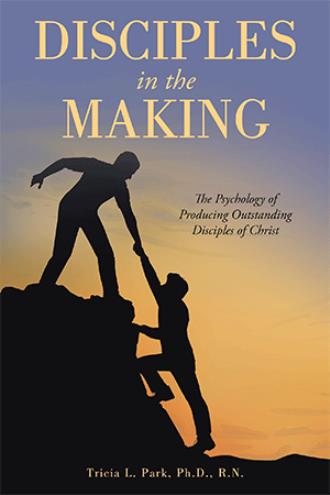
Disciples in the Making
The Psychology of Producing Outstanding Disciples of Christ
by
Book Cover & Preview Text
Chapter 2 Know God And this is eternal life, that they may know You, the only true God, and Jesus Christ whom You have sent. –John 17:3 I was in prayer one day and heard, “My people are destroyed for lack of knowledge…” from Hosea 4:6. I looked at the immediate context of the verse. Hosea 4:1 shows God bringing a charge against Israel, stating, “...there is no truth or mercy or knowledge of God.” The word “knowledge” in these two verses is “daath.” The word “daath” is not about possessing information, which we call head knowledge. Instead, “daath” means “having a real–life experience with something or someone.” It means something has become a living reality, not just a fact on a page. “Daath” about God, therefore, is not knowing Him in an abstract and impersonal way but entering into and having first–hand experience of who He is and what He does. It’s the sweet spot of interpersonal experience. Up close and personal. In Hosea 4:6, God said, “My people are destroyed for lack of knowledge.” AH! I thought it would say hardened sinners are cut off for not knowing God. “My people” is the word “am,” meaning “a nation.” In this passage, God talked about Israel, to whom He had revealed Himself. The people of Israel met God at Mount Sinai (Exodus 19). They heard God’s voice, thundering, and a loud trumpet, saw lightning, thick clouds, and smoke, and felt the earth buck and tremble. God came down in a big way. The people became terrified. They didn’t want to interact with God after He came down on the mountain. How sad. God didn’t bring Israel to Himself to scare them away. He brought them near to have a personal relationship with Him. The word “destroyed” in Hosea 4:6 is “damah,” meaning “to silence, cut off, and cease.” Apart from God, people will not have much to say about Him. When someone never starts or ends a relationship, the flow back and forth stops. Picture an umbilical cord severed by the fetus. The fetus doesn’t know that the cord brings and sustains life. Believers, without knowledge or experience of God, tend to let God go or never consider their need for Him. They don’t realize God made them and longs to love, provide, and care for them. In Hosea 4:2, the image is bleak. Israel was swearing and lying, killing and stealing, and committing adultery. Israel was sinning egregiously. How could Israel do such things? God said that Israel “rejected knowledge” (Hosea 4:6). As a result, they were reaping the rotten fruit from their evil ways. Israel didn’t look or sound like their Creator. They looked like people without a sense of right and wrong, maybe because they never spent quality time with God. Disciples primary calling and invitation is to know God. John 17:3 says, “And this is eternal life, that they may know You, the only true God, and Jesus Christ whom You have sent.” Having eternal life isn’t saying a “sinner’s prayer” and believing you are off the highway to hell. Fully accepting Jesus as Savior ensures a future with God, but that is just the start of the relationship. Next comes courting and studying God from afar and up close. As people get to know their best friends and family (e.g., their favorite foods, places, hobbies, habits, beliefs, and peculiarities), believers strive to get to know God and His ways. Intimately. Deeply. Personally. First–hand knowledge of God is essential for ministry. How can disciples of Christ talk passionately about God as a healer if He has never cured them? How can disciples of Christ talk about God’s love if they haven’t experienced it? How can disciples of Christ describe God’s grace if they have never walked in it? The bottom line is that they can’t do it meaningfully, passionately, and without a doubt. Lack of knowledge of God may be part of the soul harvest and discipleship problems the church is suffering. When sick and told he would die, Hezekiah says, “For Sheol cannot thank You, Death cannot praise You; those who go down to the pit cannot hope for Your truth. The living, the living man, he shall praise You, as I do this day; the father shall make known Your truth to the children” (Isaiah 38:18–19). Believers' lives are to bring praise and glory to God. In church and families, spiritual and natural fathers are to share God’s Word with their offspring. Aimless, God–less wandering is not God’s plan. God wants people to know who He is and what they are on earth to accomplish. When the gift of tongues was poured out on believers, people nearby heard “...them speaking in our own tongues the wonderful works of God” (Acts 2:11). They weren’t talking about their new roof or the olive oil they purchased at the market. They were proclaiming the good things God had done. Why? Because the world needs to know that our loving Creator longs to be intimately involved with His creation. John 21:25 says, “And there are also many other things that Jesus did, which if they were written one by one, I suppose that even the world itself could not contain the books that would be written. Amen.” There is so much to learn about God. His Word is the longest and most beautiful love poem believers will ever read. The world needs to know God. You need to know God. Will you take the time to know Him intimately? God’s ways are mysterious, but He doesn’t want to remain a mystery. He wants to be known. People often think they must be good to go to God, but this is untrue. God’s love is unconditional. His arms and heart are open. Here are some precious Bible promises to encourage you as you get to know God more personally and experientially:
Formats

Book Details
About the Book
An impactful study in Christian discipleship that highlights relevant psychological factors that can help or hinder believers’ walk with God and with others. Disciples in the Making is useful for anyone who wants to grow closer to God and be more effective in discipleship. Each chapter includes Bible–based commentary on the spiritual and psychological qualities of outstanding disciples of Christ, prayer points, declarations, key points, and study questions. Disciples in the Making illuminates the road to becoming an active and vibrant disciple of Christ and points out pitfalls along the way.
About the Author
Dr. Park has served as a licensed Clinical Psychologist for approximately 25 years, received extensive training in Christian service, functioned as an Assistant Professor at Syracuse and Upstate Medical Universities, and oversaw operations of the Student Counseling Centers at both, and has worked as a licensed Registered Nurse. She is passionate about teaching and training, striving to help people reach their full potential and destinies. Author of two other dynamic study books, Go, Step out of the Ordinary Share the Extraordinary Jesus Christ, and Healer of the Heartcry Uncovering the Unconscious Work of Christ in Trauma Healing. Dr. Park aims to help people find purpose and meaning while enriching their faith and understanding of psychological concepts.