
Believe
How can we be ASSURED that we are considered to have believed in him? [Jesus]
by
Book Cover & Preview Text
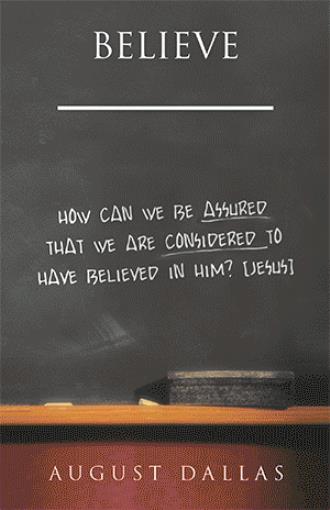
Introduction The story of believing is by far the best story ever told. Why? God created humankind, we fell from grace, and then he gave his only begotten Son, that whosoever believes in him shall not perish but have everlasting life. Properly believing in Jesus is the true story of believing. Some definitions of the word believe that suggest that doubt is part of the definition. Anything that is associated with the only word that relates to inheriting everlasting life should not consist of doubt. God believes. In fact, God believed in us so much that he sent his only begotten Son to die for the sin of the world. We are saved by his grace, and he believes that we will accept and believe in that path of salvation. God says that whosoever believes in his Son will not face death; rather, they will experience everlasting life. Furthermore, God provides all the measures for us to believe in him by using the examples of his Son as a template for success. Jesus’s example is the certain way to believe in God without any doubt. God loved humankind so much that he proved his belief for people by unloading his grace so that humankind would not perish to sin. God’s mercy and grace is a constant demonstration of his belief in us through all the gifts we experience. We thank him in a variety of ways, but we also curse him when we don’t exhibit the certainty of our faith by believing in him. The word believe does not appear in the Bible until the book of Mark. Stories throughout the Bible are about people who did or did not properly believe in God. Along with these stories, we find evidence of God’s wrath or blessings on people for their failures or successes. God’s wrath was not necessarily for disobedience; it was a chastisement on sin for failing to be certain. Another aspect of the Bible is that God chastises disbelief and provides edifying and uplifting words on how to properly believe in him. Why? The certainty of believing was lost in the garden of Eden, when the first test for believing in God failed. At the same time, the word became tainted with doubt. (This book will thoroughly unveil how doubt became part of the definition of believe.) Ever since the garden of Eden, the word believe has been the field of war regarding the knowledge of good and evil. On which team do we find ourselves? Are we certain of God, or—if we were turncoats—do we repent of our sin (doubt) and turn back to the Lord? Certain science and archaeological finds may reassure our belief in God. They provide evidence that supports the existence of God, which we don’t need because we walk by faith, not by sight. God, however, is very loving to those who put their faith in him and those who do receive evidence by sight. People use words and deeds to indicate whether they believe in him. Idle words and deeds show a tepid belief in God. Righteous words and deeds demonstrate unabashed love and faith in God. Corrective words and deeds demonstrate a repentant soul. According to Solomon, everything under the sun is vanity without the love of God, but everything, including the sun, is about believing in God. There is an alignment issue with the word believe. On one hand, definitions of the word believe may be in regard to certainty and faith in God, yet others pertain to doubt. This makes the word totally out of alignment. In this book, we will examine the creation of the word believe and its associated words, as well as the origin, authenticity, and evolutionary applications. We also will examine synonyms of certain words from the context of whether such words are necessary or if they assist the devil. We will examine the test of believing in God, and we will discuss many stories from the Bible as examples of why people did or didn’t believe in God. Finally, we will discuss extensively the heavenly definition of the word believe, as well as the importance of properly believing in God. At the end of the book is a final section regarding the two reasons why the word believe was attacked in the garden of Eden and why the attacks continue to the present day.
Formats

Book Details
About the Book
Everything that occurs on earth is about whether someone believes in God. The entirety of the Bible has stories of God chastising or blessing people for their proper or improper believing. All of God’s work is a demonstration that he believes with certainty in humankind. The law in the Old Testament and all the commands in the New Testament are for humankind to believe in God. Believing in God was the failed test in the garden of Eden. Examples throughout the world reveal that the word believe became tainted with the knowledge of evil. All tests provided by God are specifically designed for us to believe in his Jesus. John 3:16 confirms that death is still a constant from the garden of Eden. We learn in John 3:16 that the word believe is the most pivotal word ever created, as it pertains to everlasting life. Imagine the impact of the word believe after reading Matthew 7:21—“Not everyone who says Lord, Lord will enter the kingdom of heaven.” Language throughout the world has become individually used to support circumstance. The world of a believer is witnessing the micro- and macroevolution of the knowledge of evil in this era. Since the word believe is so important and is tantamount to whether we will experience everlasting life, how did the most important word in the history of humankind become polluted with doubt? Finally, since the tests from God come from heaven, what is the heavenly definition of the word believe?’
About the Author
August Dallas is a follower of Jesus. In this book, he shares what he’s learned from Jesus about everlasting life.