
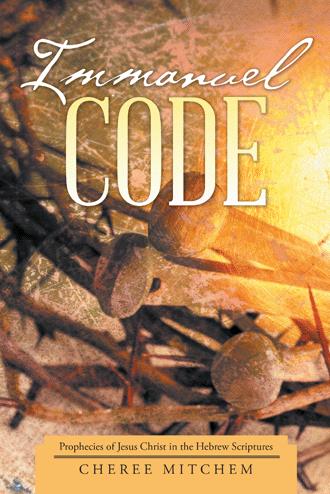
Immanuel Code
Prophecies of Jesus Christ in the Hebrew Scriptures
by
Book Cover & Preview Text
Preface
The Bible from the Old Testament to the New Testament is God’s war book, which describes how God will conquer Satan through Jesus Christ to have complete dominion over the kingdom of darkness. In evaluating evidence that Jesus is the Messiah, this book analyzes prophetic passages from the Tanakh’s Hebrew Scriptures and the Christian Bible’s Old Testament to explain Jesus’ payment for sin on the cross and God’s relationship with humanity through Jesus. The Tanakh and Old Testament Scriptures reveal God using Israel and humanity, but the writings also prophetically describe events that have happened and will occur through Jesus Christ. Because God’s battle is about conquering Satan and sin, and sin is Satan’s weapon against God, the Old Testament writings symbolically describe Jesus as the sacrificial Lamb of God that paid for sin, such as in Isaiah 53. God provided the final atonement payment for sin and death, as Jesus is the Word of God who came in the flesh to pay for sin on the cross (John 1:1–4, 14; 3:16).
This five-part book analyzes prophetic scripture from the Old Testament to explain Jesus Christ’s provision of salvation to the believer through Him, as described in New Testament Scripture. The types and shadows in Old Testament Scripture prophetically point to Christ and what is to come, but the substance is in Jesus Christ (Col. 2:17). Prophetic passages in Old Testament Scripture give a detailed message behind Jesus Christ’s work of salvation and future events yet to occur. Therefore, prophetic passages in Old Testament Scripture are very descriptive of Christ’s provision, power, and authority to the believer in Jesus. Old Testament Scriptures show a picture of Jesus Christ and His salvation to humanity. Also, this book will demonstrate evidence that Jesus came as God in the flesh to provide the only way to a relationship with God. Jesus Christ reconciles the believer to God, as the believer in Christ is redeemed so that sin no longer separates the believer from God (Rom. 5:1–2). In linking the Old Testament to New Testament Scripture to demonstrate what Jesus has fulfilled and will fulfill, I have used two primary Bible search engines to examine Scripture: Bible Gateway (www.biblegateway.com) and Bible Hub (www.biblehub.com).
Specific Tanakh and Old Testament passages which prophetically describe Jesus Christ are listed in this five-part book to explain New Testament Scripture. New Testament Scripture is discussed under sections labeled “passages fulfilled” and “passages to be fulfilled” in this book. As this book is a reference guide to Scripture, the verse numbers have been included within a passage’s text when quoting Scripture to reference specific passages easily. Also, quotes for the same verses from the Tanakh’s Hebrew Scriptures and the Christian Bible’s Old Testament are listed together for reference. The two Bible versions used for quoting Scripture in this book are taken from the Jewish Publication Society 1917 edition (JPS 1917) for the Hebrew Scriptures of the Tanakh (Tan.) and the King James Version (KJV) for the Christian Bible’s Old Testament (OT) and New Testament (NT). Scripture is quoted from the King James Version of the Bible unless otherwise indicated. Portions of Scripture text are underlined for emphasis when quoted.
In comparing the same Scripture passages from the JPS 1917 and KJV, both Bible versions have very similar or identical wording in the majority of sections. Having both the same Hebrew and Christian Bible passages side by side in this book allows a person from either a Jewish or Christian background to analyze Scripture for themselves from their version of the Bible. While the same Scripture passages from the JPS 1917 and KJV have very similar or identical wording in the majority of sections, the chapter and verse placement in the Tanakh and Old Testament occasionally differ slightly from one another. Some chapters within similar portions of text in the Tanakh and Old Testament are longer or shorter based on the chapter placement, which also causes the two Bible versions to have different verse numbers from one another occasionally. For example, the Tanakh may include information about the writer of a passage at the beginning verse or verses of a chapter in the Book of Psalms; however, the Christian Bible may not include this information in a passage from Psalms. As a further example, the Christian Bible has three chapters in total for the book of Joel, while the Tanakh has four within a similar text. Differing chapter and verse numbers in the Tanakh and Christian Bible are shown in this five-part book when quoting Scripture.
Additionally, the written evidence from the Bible presented in this five-part book will demonstrate that faith in Jesus Christ redeems and pardons one from sin. One cannot earn salvation by their own righteousness, which is of the law. The flesh is imperfect because of its bondage to sin; therefore, one cannot be justified in the flesh through their own righteousness. The blood of Jesus will take the believer to heaven when they die, as Jesus paid for sin on the cross as the Lamb of God provided for an atonement sacrifice. One needs to believe in the Lord Jesus and surrender their life to follow Him. The one who believes in Jesus Christ will also follow Him because they believe in His Word. This book will demonstrate how faith and following Christ go together (John 10:27), as it takes faith in Jesus Christ to follow and abide in Him.
Formats

Book Details
About the Book
Immanuel Code is a Bible reference guide that explains New Testament Scriptures about Jesus Christ and faith through the analysis of prophetic Old Testament Bible passages. An example of such Old Testament Scripture is a passage in the book of Esther, where the king accepts Queen Esther by offering her a golden scepter, which symbolizes Jesus as God’s righteous scepter extended by grace to save the world. Similarly, passages from the books of Daniel, Joel, and Revelation are analyzed to reveal future events about Jesus.
In analyzing New Testament Scripture, Cheree Mitchem has spent eight years researching prophetic Bible passages about Jesus in the Old Testament by using keyword searches and other research techniques. Ms. Mitchem uses an online version of the King James Bible to examine relevant scriptures to interpret their spiritual meaning and intent.
About the Author
NONE